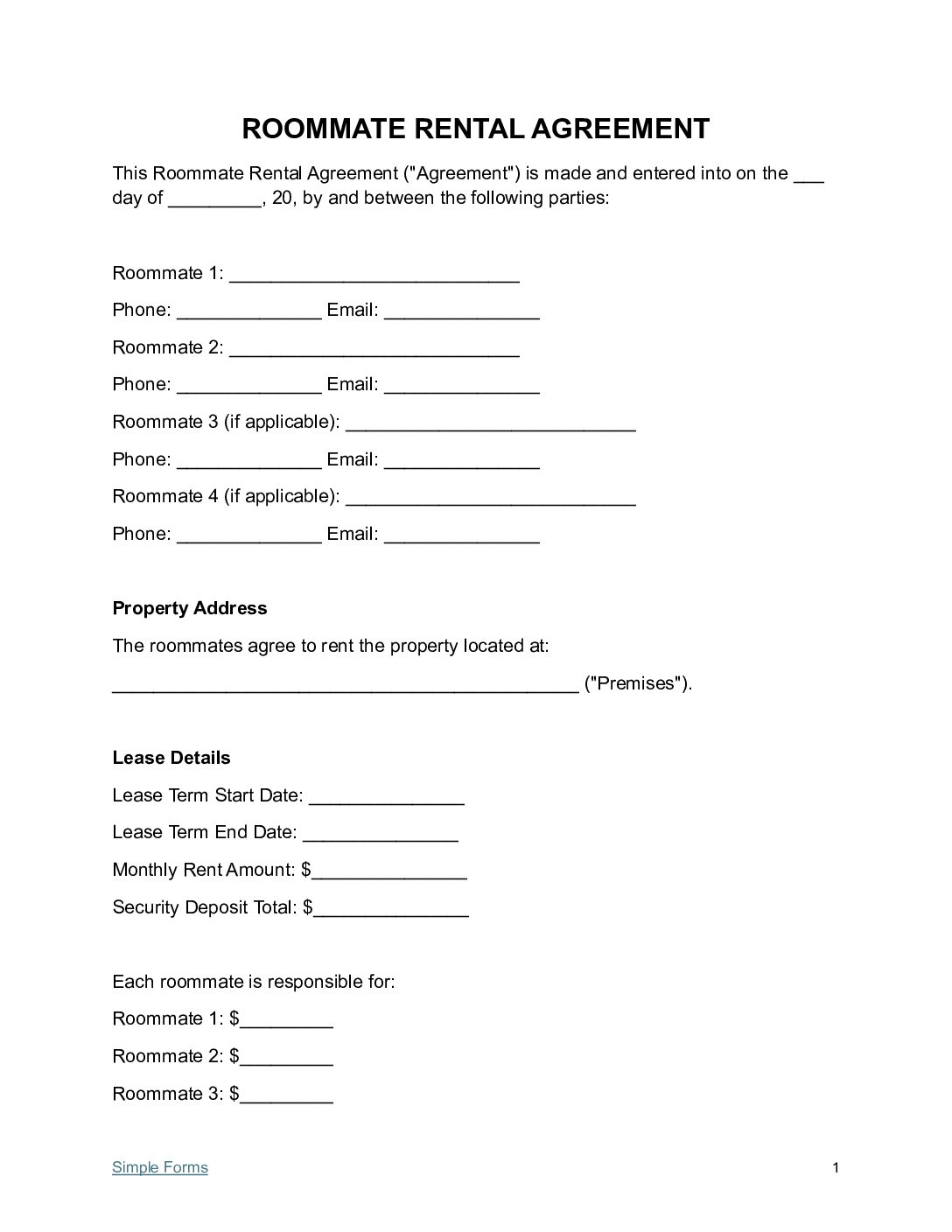
Rental lease agreement – The applicant is approved by the Landlord getting consent using the Wisconsin rental application form and then the rental lease agreement form can be signed.


The advance healthcare directive form MUST be signed in front of two witnesses in Wisconsin.
Source: § 155.10(1)(c)
https://simpleforms.com/wp-content/uploads/2024/08/Wisconsin-Advance-Healthcare-Directive.pdf
Wisconsin durable power of attorney forms are used to appoint a trusted individual (known as the “agent”) to manage the affairs of another person (known as the “principal”). The most commonly used forms are the durable financial and medical versions, which can remain valid for the lifetime of the principal.
The Principal must sign the POA document in front of a public notary.
Source: § 244.05
Definition by the Uniform Power of Attorney Act:
“A “Power of attorney” is a document that gives an agent the authority to act on behalf of the principal.”
Source: § 102(7)
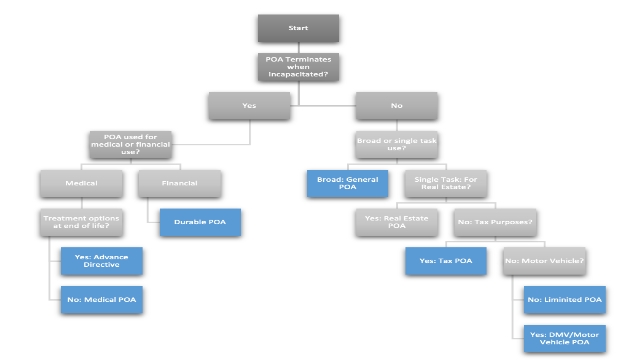
Wisconsin’s statutory durable power of attorney form: § 244.61
Wyoming POA Laws – Uniform Power of Attorney (Finances and Property)
Download:
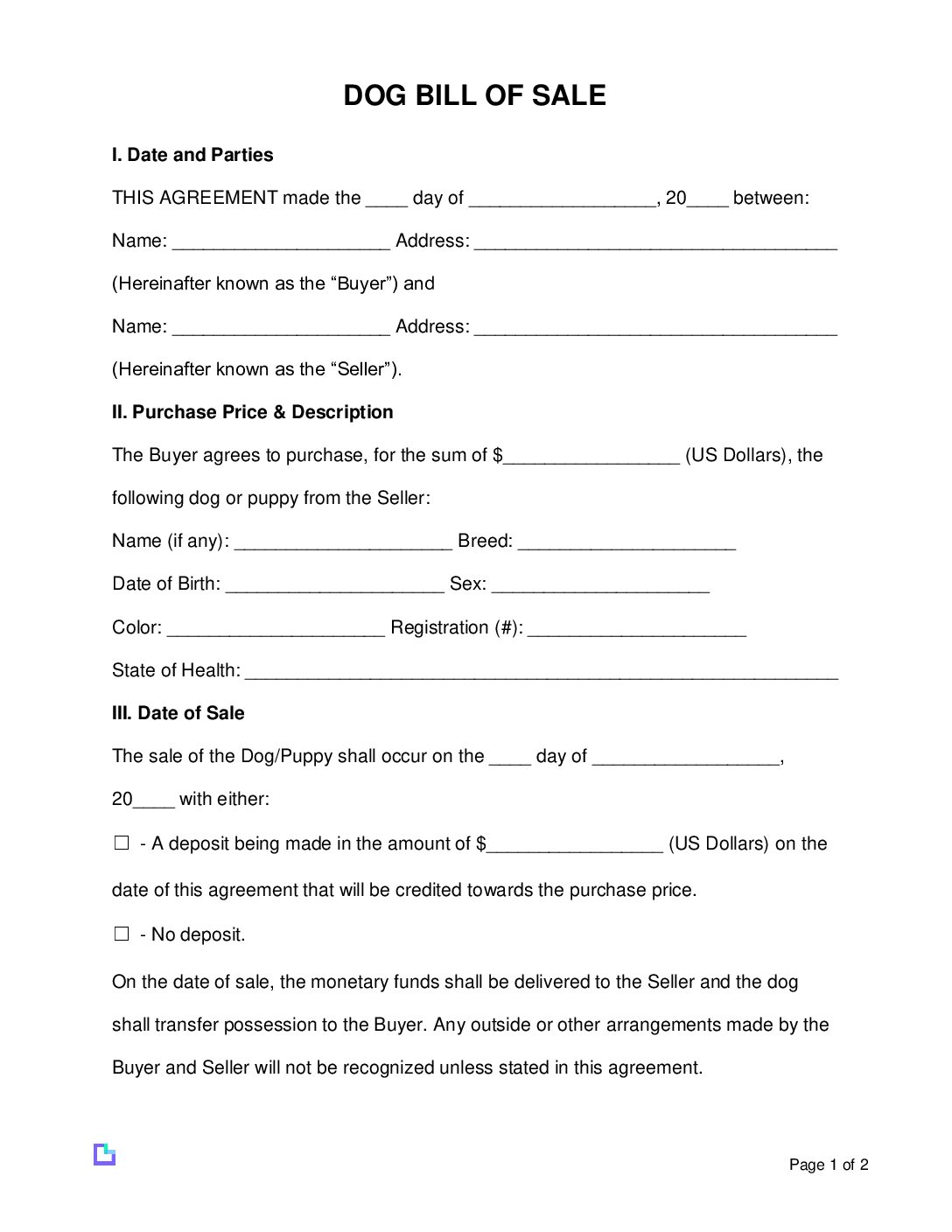 Dog / Puppy Bill of Sale
Download:
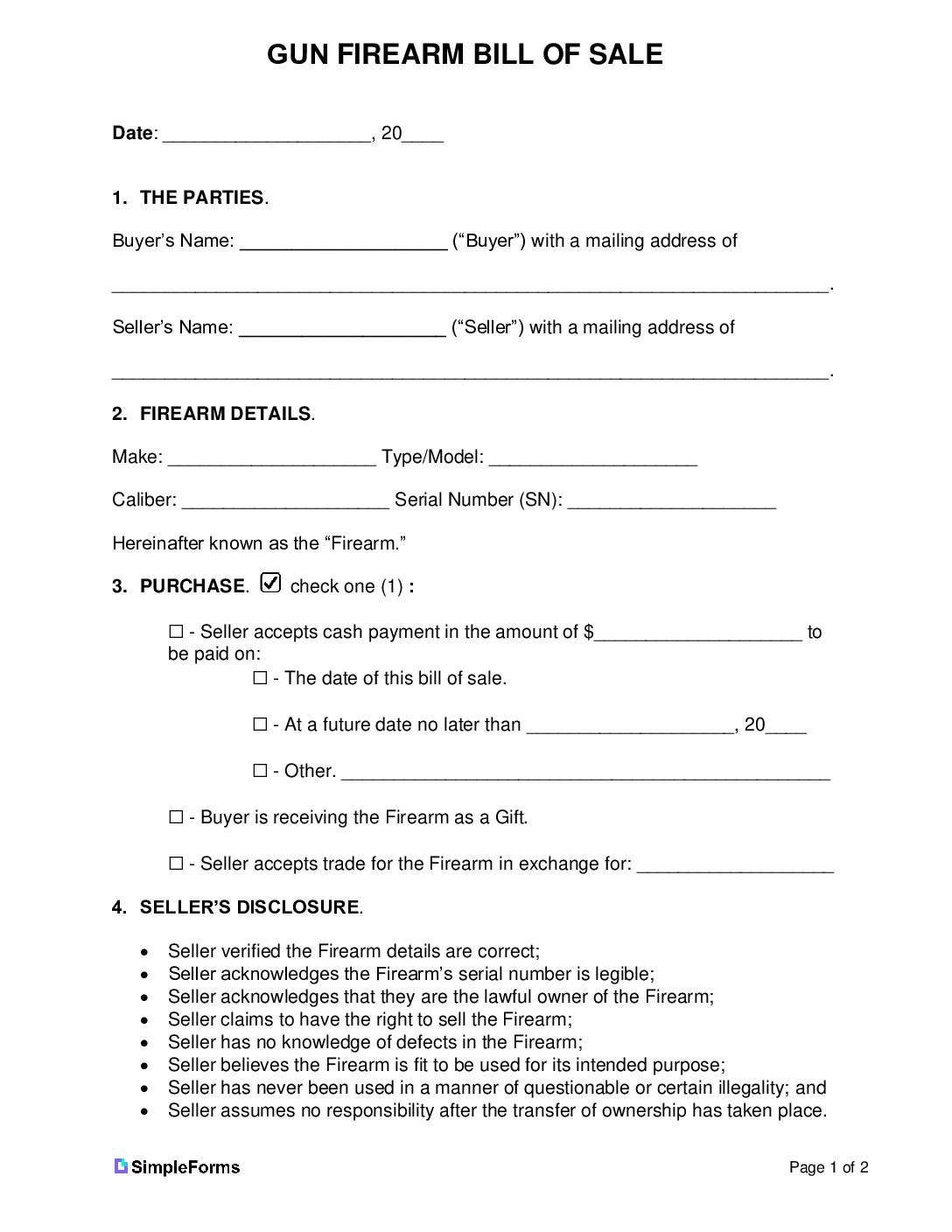
Download:
 Motorcycle Bill of Sale
Download:
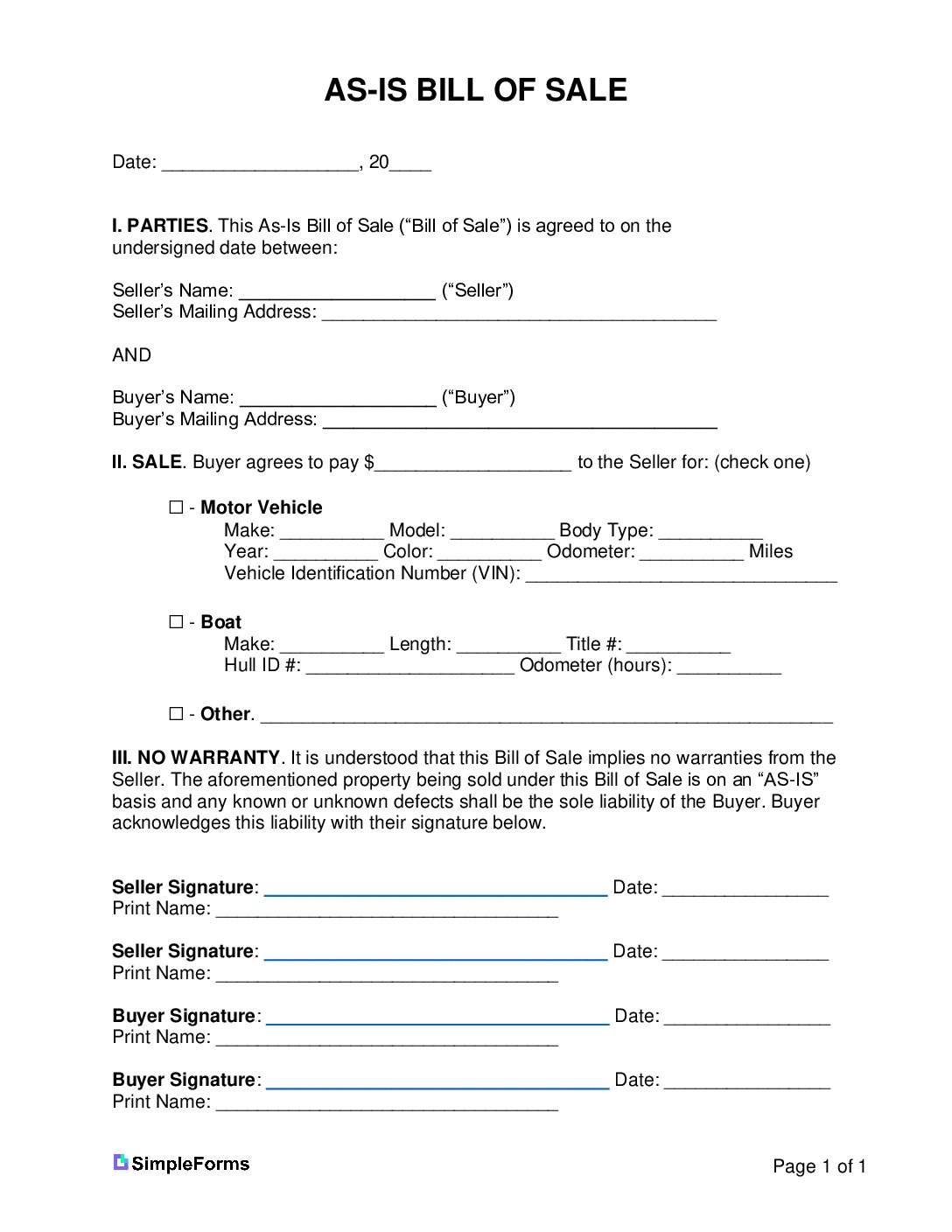
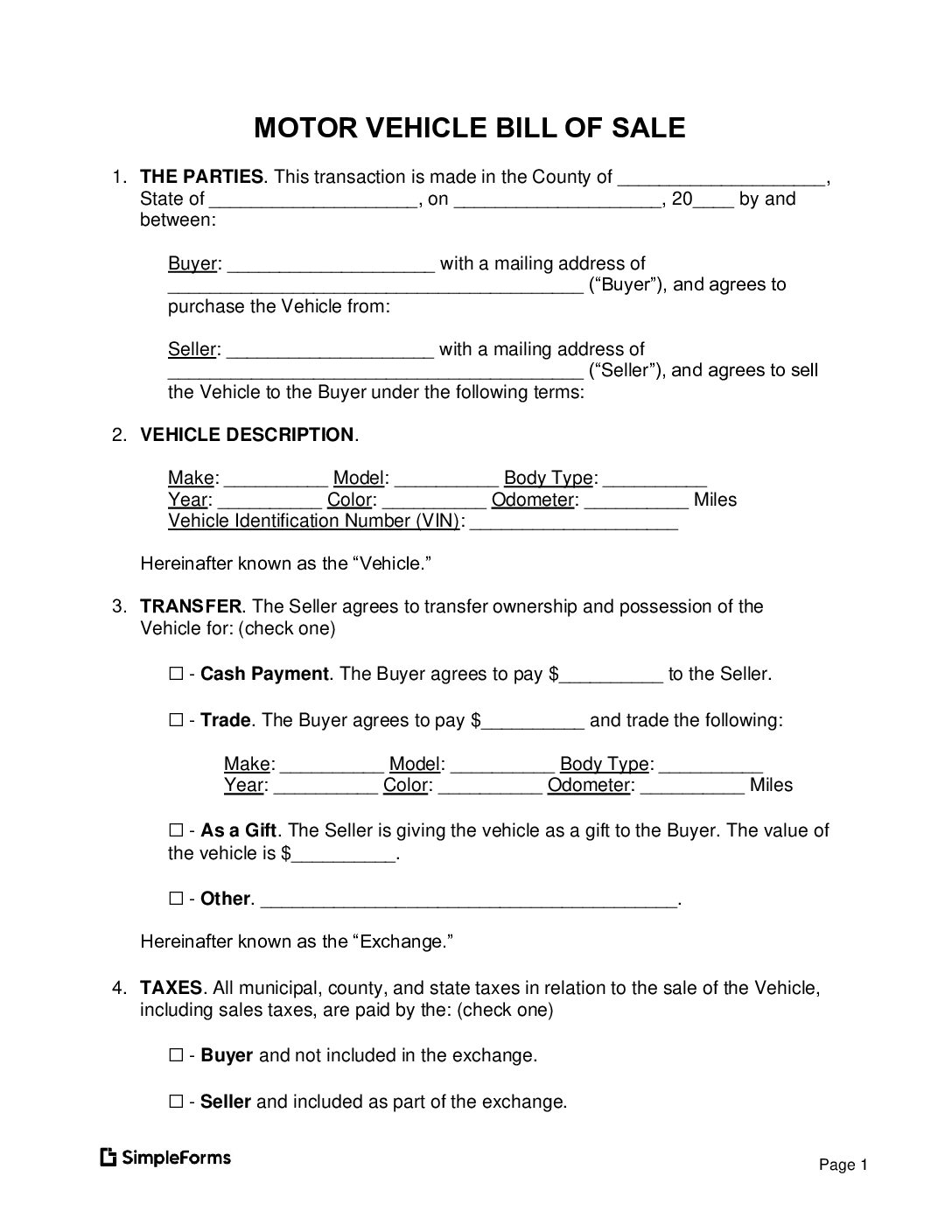 Motor Vehicle (Car) Bill of Sale
Download:
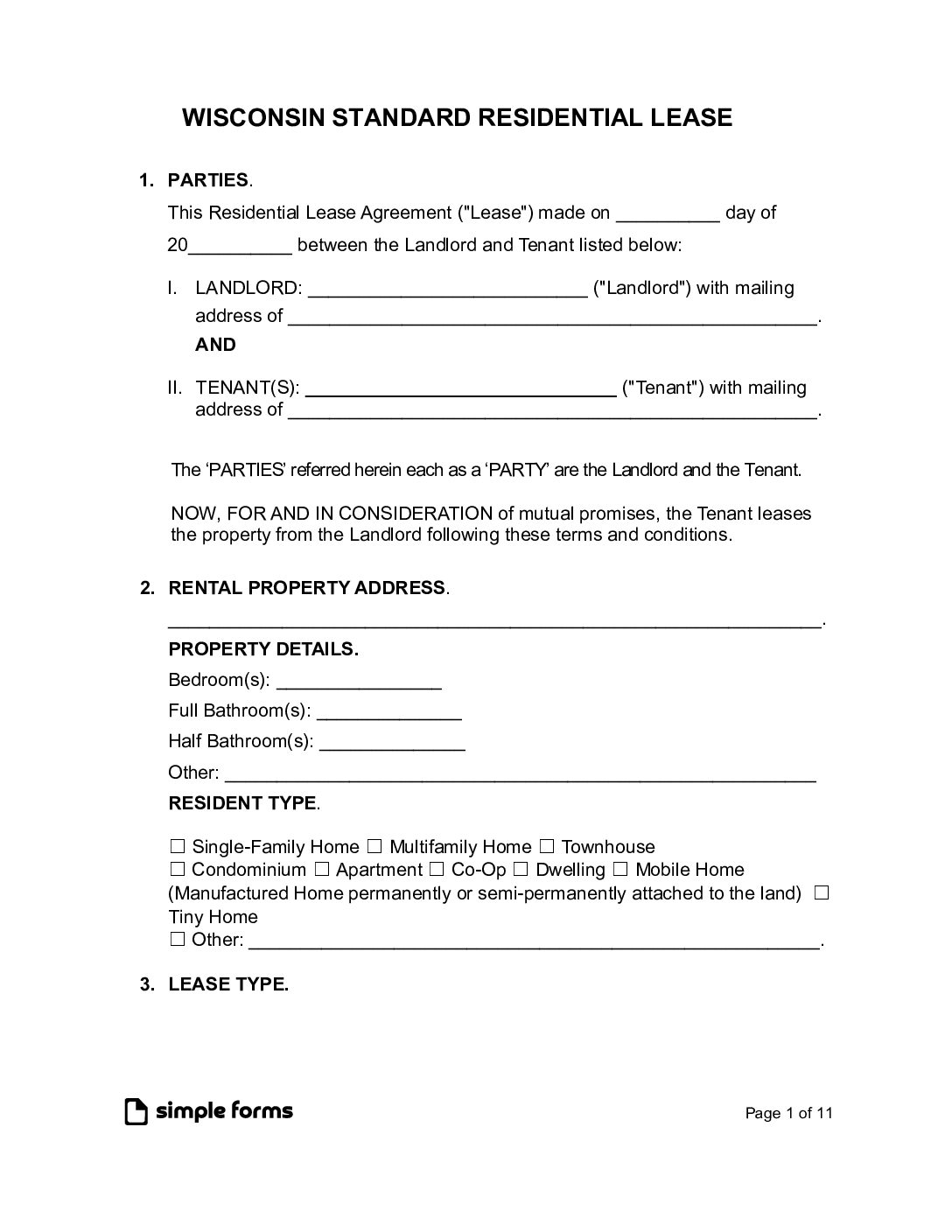
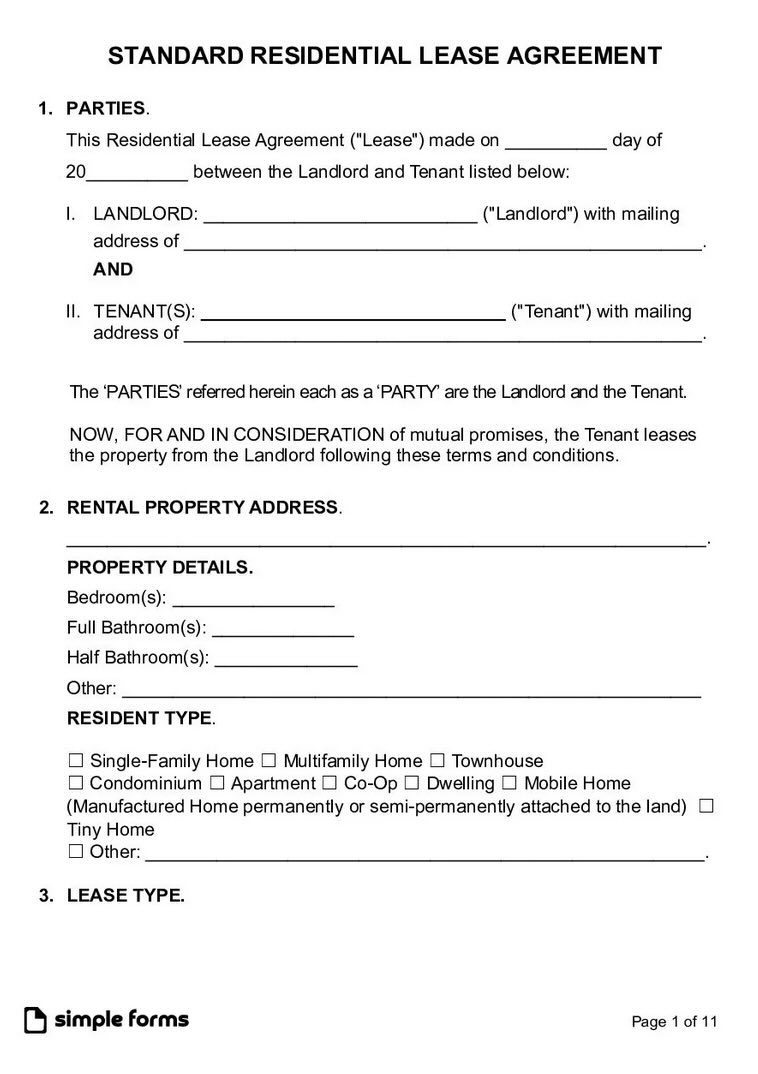 Standard Residential Lease Agreement Standard Residential Lease Agreement
|
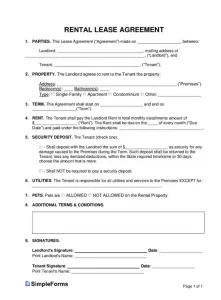 Simple (1-Page) Lease Agreement Simple (1-Page) Lease Agreement
|
The purchase and sale agreement becomes legally binding when both parties sign the contract and the buyer gets the notice that the seller has accepted the deal. The buyer can get the notice in-person, by phone, and/or email.
https://simpleforms.com/wp-content/uploads/2024/05/Wisconsin-Residential-Real-Estate-Purchase-Agreement-1.pdf
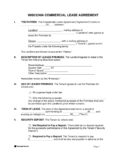
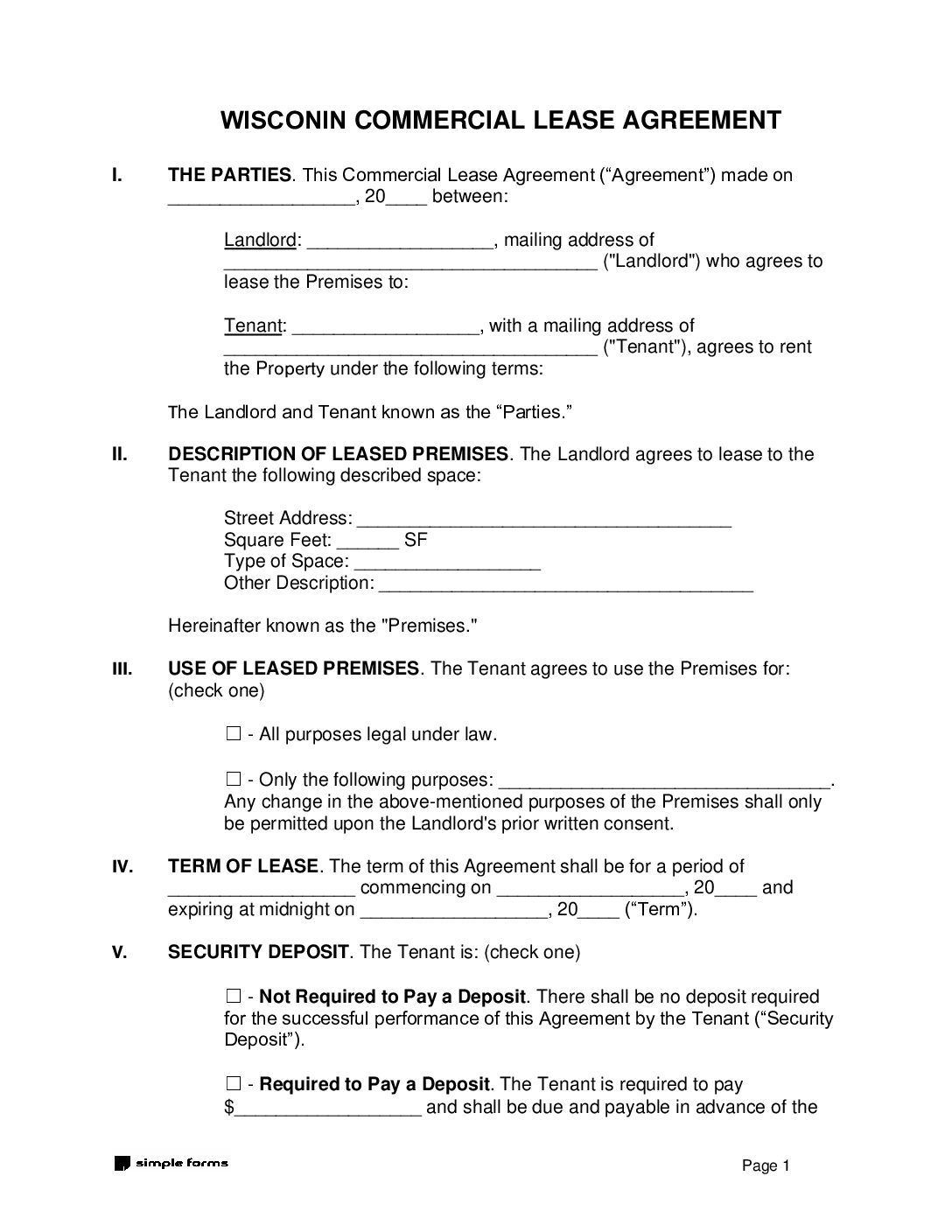
The Commercial Lease Agreement becomes legally binding when both parties sign the contract and the buyer gets the notice that the seller has accepted the deal. The buyer can get the notice in-person, by phone, and/or email.
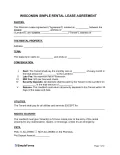
An Wisconsin lease agreement is used when renting rental property and it is a contract between the Landlord and Tenants in exchange for monthly rent payments.
Source: U.S. Census Bureau
Lead-Based Paint Disclosure
Building Code Violations Disclosure
Damage and Defects Disclosure
Landlord/Owner Identification
Utility Disclosure
Maximum – There’s no laws governing maximum security deposit amounts in Wisconsin.
Returns – Landlords must return all deposits to the Tenant within 30 days of the lease end date.
Source: § 134.06(2)
General Access – Landlords shall give Tenants a minimum of 12-hours notice before entering the rental property.
Source: § 134.09(2)(a)
Grace Period – No grace period.
Late Fees – No state law governing late fees. Late fees for late rent should be agreed to in the lease agreement.
NSF Fee – $15 per bounced check.
Source: § 134.09(8)
|
|
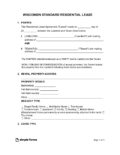
Residential Lease Agreement – 12 month lease term used for residential use. Download: PDF |
|
|
Commercial Lease Agreement – Used for retail spaces, office buildings, warehouses, and industrial facilities. Download: PDF |
|
|
Month-to-Month Lease Agreement – Tenancy at will with renewals every 30 days. Download: PDF / Word |
|
|
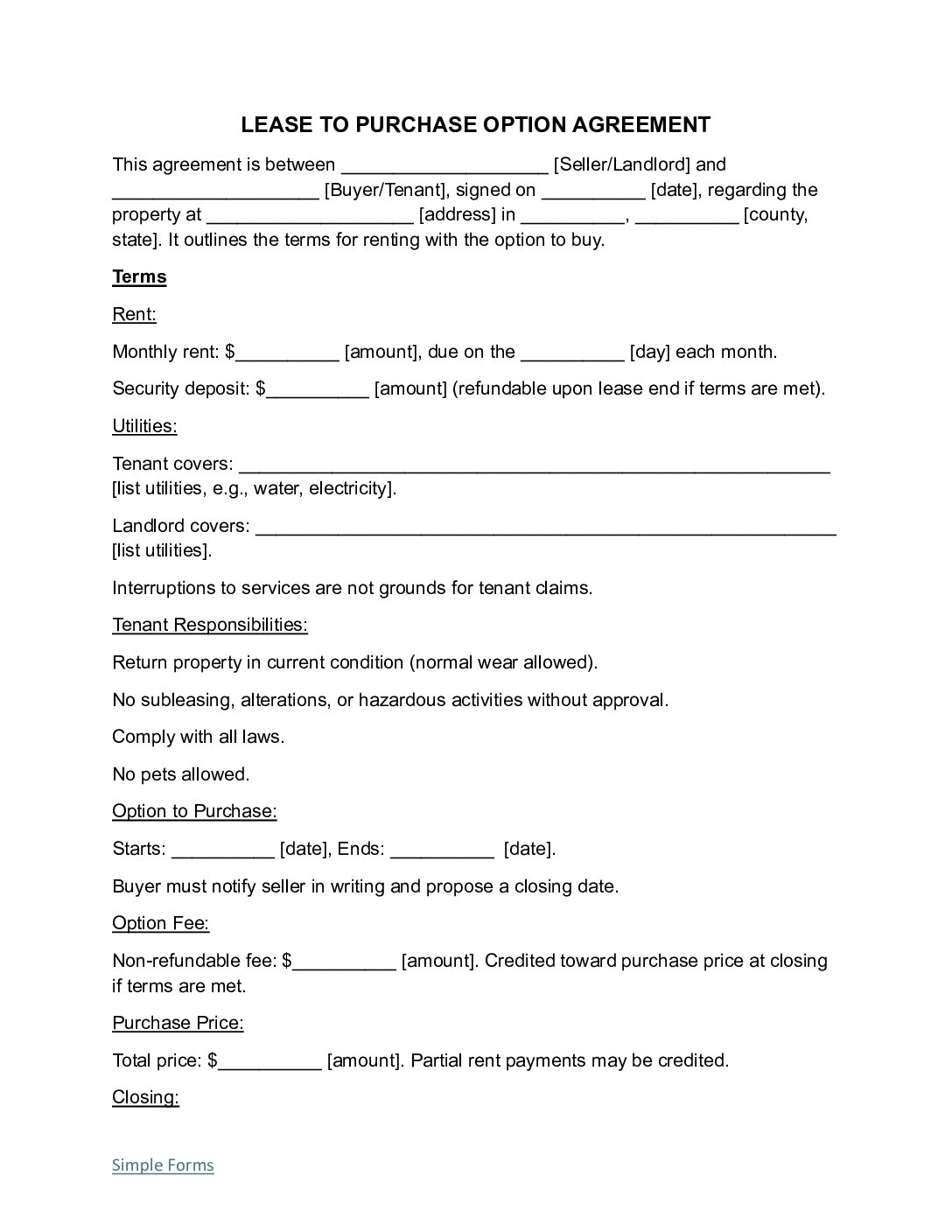
Rent to Own Lease Agreement – This type of residential lease adds the option for tenant to purchase the property. Download: PDF |
|
|
Roommate Lease Agreement – Shared living arrangements. Download: PDF |
|
|
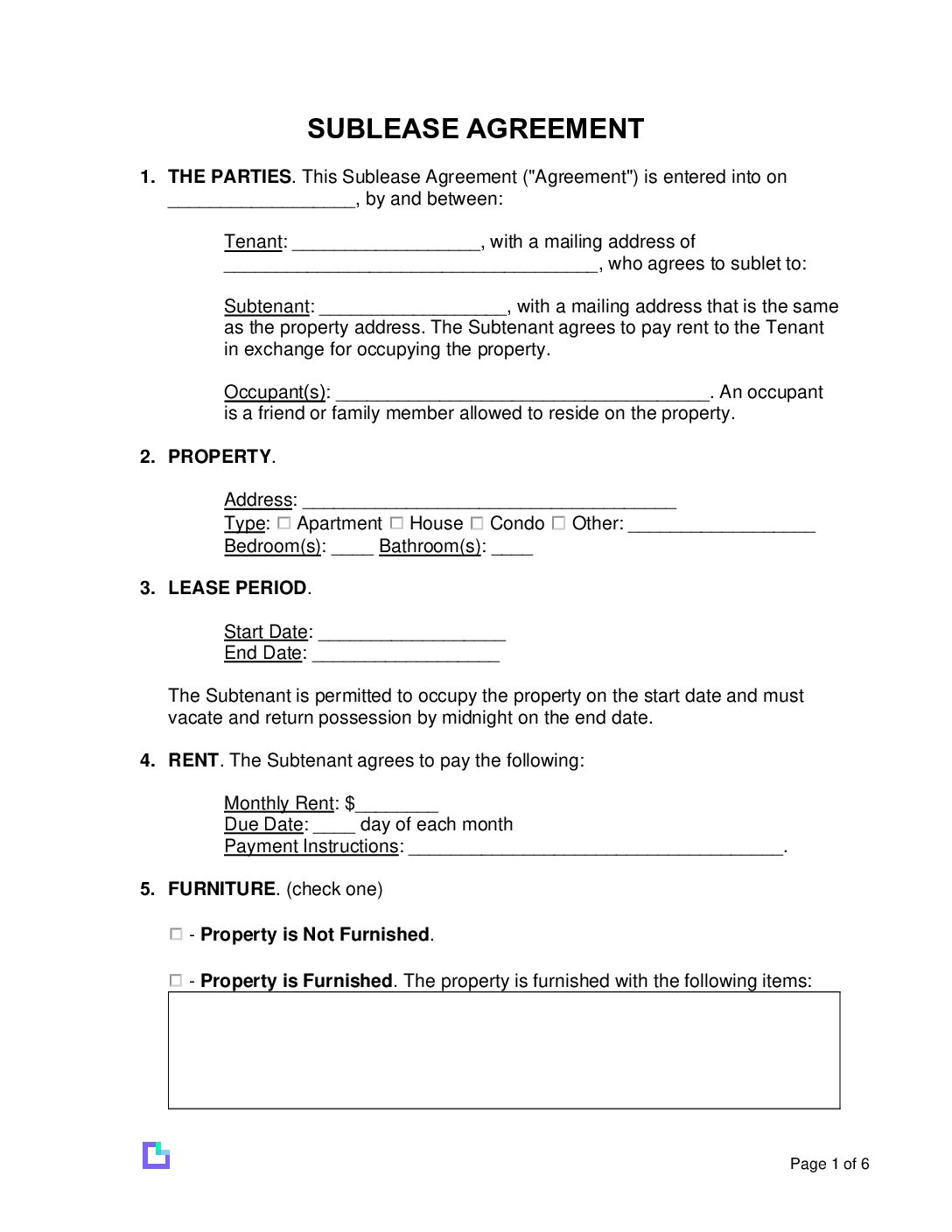
Sublease Agreement – Used to Sublet unit with landlords approval. Download: PDF |
This document includes the following laws regarding the relationship between the landlord and tenant in Wisconsin:
Summary (Wis. Admin. Code ATCP 134.06): Landlords in Wisconsin can charge any amount for a security deposit but must return it within 21 days after the tenant vacates. Deductions for damages must be itemized and provided to the tenant.
Summary (Wis. Stat. § 704.17): Landlords and tenants in Wisconsin have specific rights regarding lease termination.